Walleye across North Carolina
Limits, records and where to find walleye.
- 8 a daydaily creel
- 13 lbs, 8 ozrecord
Photo of the species, not of a North Carolina water: Virginia State Parks staff, CC BY 2.0
.jpg)
walleye across North Carolina
Walleye (Stizostedion vitreum) is a freshwater species in North Carolina. Under NCWRC rules (all public fishing waters except listed waters), the creel is 8 a day and the size rule is no size limit.
A 13 lbs, 8 oz fish from Shooting Creek, Lake Chatuge in 1986 holds the state record. This site links it to 8 lakes and 3 streams. The 2026 plan calls for 333,000.
NCWRC, per walleye
“The Walleye is the largest member of the perch family. It has a long, slender body, large canine teeth, large eyes and two separate dorsal fins. Normal color is silvery to gray, with a white or cream belly. The back is darker than the sides and has 7 to 9 saddles. Walleye have a black spot at the posterior base of the first dorsal fin and a white spot at the lower portion of the tail fin. Walleye grow rapidly in North Carolina. The average-size Walleye is less than 18 in. long and 1 ½ lbs. in weight.”
“Native to Canada and the northern United States, Walleye have been stocked in most states except a few in the far west and south. In North Carolina, the Commission has stocked Walleye in Mountain and Piedmont reservoirs. Walleye prefer clear, cool water and usually stay in deep water during the day, moving to shallow waters at night. Young Walleye prefer to feed on fish but will eat crayfish, leeches, mollusks, worms and insects. Adult Walleye are large, visual predators and their main diet is threadfin shad, although they will eat small bass, trout, perch and sunfishes as well. They usually feed at night on or near the bottom.”
- Fishing tipsAnglers often fish with jigs to catch Walleye. One technique that works well is to cast the jig parallel to boat and let it sink. Start a hopping motion using only the wrist, not the arm. Make the jig hop 6 to 12 inches from the bottom while retrieving jig between hops. Slack the line after each hop
- Where to fishThough found in streams and rivers, Walleye prefer lake environments. Walleye are considered a cool-water species, living in maximum water temperatures of less than 77 degrees. In North Carolina lakes, Walleye prefer the least-turbid waters. They are found over hard bottoms composed of hard clay, gr
- AbundanceCommon in several reservoirs in the Piedmont and Mountain regions of NC The Walleye is the largest member of the perch family. It has a long, slender body, large canine teeth, large eyes and two separate dorsal fins. Normal color is silvery to gray, with a white or cream belly. The back is darker th
Quoted from the NCWRC species profile, checked October 2026.
North Carolina harvest rules for walleye
| Agency | Where | Daily creel | Size | Season |
|---|---|---|---|---|
| NCWRC | All public fishing waters except listed waters | 8 a day | no size limit | No closed season |
NCWRC 2026-27 digest and NCDMF proclamations. All North Carolina limits.
walleye in the state record book
| Category | Weight | Where | Year |
|---|---|---|---|
| hook and line by weight | 13 lbs, 8 oz | Shooting Creek, Lake Chatuge | 1986 |
NCWRC and NCDMF state records. Angler names left out.
Waters tied to walleye
walleye lakes
- John H. Kerr Reservoir48,900 acres
- Lake Gaston20,300 acres
- Fontana Lake10,290 acres
- Lake James6,510 acres
- Hiwassee Lake5,870 acres
- Roanoke Rapids Lake4,600 acres
- Nantahala Lake1,605 acres
- Lake Glenville1,462 acres
walleye streams
- Linville River near Crossnore, Burke CountyBurke
- Linville River, Avery CountyAvery
- Linville River near Glen Alpine, Burke CountyBurke
NCWRC stocking lists, regulation tables, species profiles and records; largest waters first.
More walleye neighbors
- Largemouth bassfresh
- Smallmouth bassfresh
- Spotted bassfresh
- Alabama bassfresh
- Bartram's bassfresh
- Black crappiefresh
- White crappiefresh
- Bluegillfresh
- Redear sunfishfresh
- Redbreast sunfishfresh
- Pumpkinseedfresh
- Green sunfishfresh
- Warmouthfresh
- Flierfresh
A look around Walleye
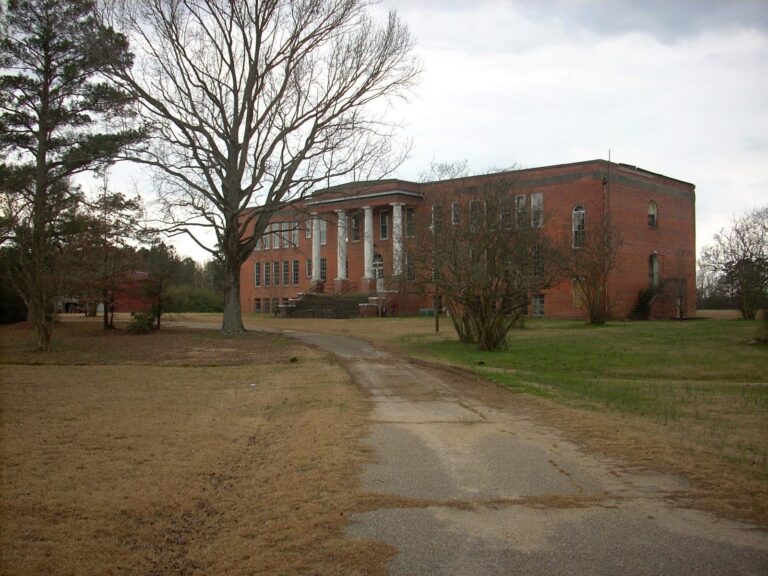
Photo: User:Dincher, CC BY-SA 2.0

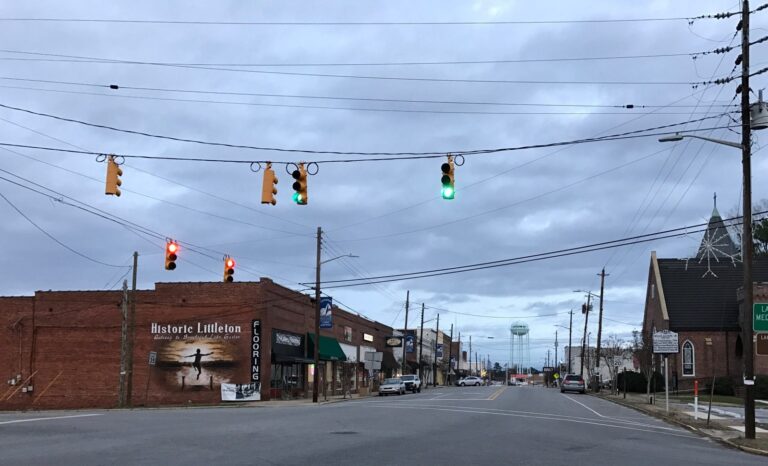
Photo: Indy beetle, CC0 1.0

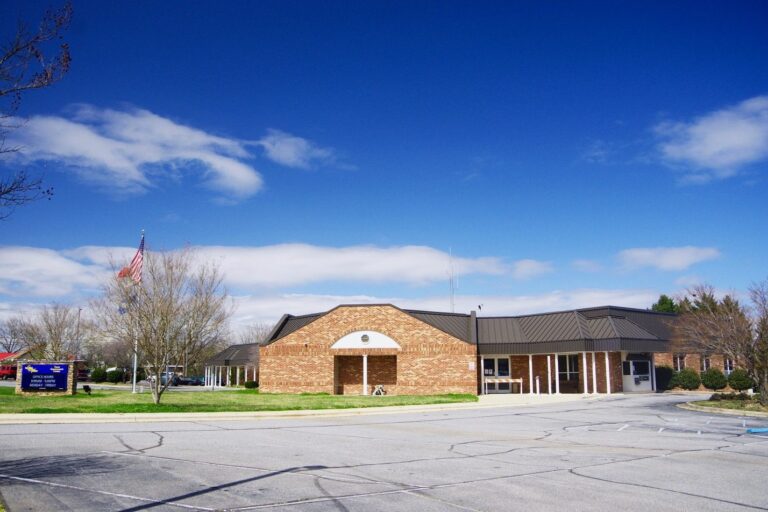
Photo: Brian Stansberry, CC BY 4.0

Photo: Jerrye & Roy Klotz, MD, CC BY-SA 3.0

Quick facts on walleye
What daily limit applies to walleye?
8 a day (All public fishing waters except listed waters), size no size limit.
Does North Carolina keep a record for walleye?
13 lbs, 8 oz from Shooting Creek, Lake Chatuge (1986).
Where do North Carolina anglers find walleye?
11 waters on this site, including John H. Kerr Reservoir, Lake Gaston and Fontana Lake.
Are walleye stocked in North Carolina?
333,000 on the 2026 warmwater list.
How do I recognize walleye?
Scientific name Stizostedion vitreum.
In which months may I keep walleye?
No closed season
Do I need a CRFL for walleye?
Inland waters take an NCWRC inland fishing license from age 16 ($32 resident, $56 nonresident).
Which captains run trips for walleye?
No operator names it; try the guides page.
Hunt for walleye
Every water named here has a page with ramps and limits.