Bluegill across North Carolina
bluegill, North Carolina limits and records.
- no creel limitdaily creel
- 4 lbs, 5 ozrecord
Photo of the species, not of a North Carolina water: Pacific Southwest Region USFWS from Sacramento, US, Public domain
.jpg)
bluegill, the state picture
The state counts Bluegill (Lepomis macrochirus) as a freshwater fish. For all public fishing waters except listed waters, NCWRC lists no creel limit and no size limit.
The North Carolina record weighed 4 lbs, 5 oz, from Henderson County (1967). 7 lakes and 7 streams here carry it in NCWRC records. 7,400 are on the 2026 stocking list.
NCWRC on bluegill
“Commonly referred to as “brim” or “bream,” the Bluegill is the most common of all the sunfishes. It is a member of the sunfish or pan fish family, which also includes the crappie and Largemouth Bass. Other species of sunfish sometimes mistaken for Bluegills are redears, pumpkinseeds and Warmouths. Because it is one of the true sunfish species that grow large enough to be acceptable to fishermen, the Bluegill has introduced many people to the sport of fishing. Its size, tenacious fighting ability and voracious appetite make the Bluegill a favorite of many anglers.”
“Bluegills are characterized by a small head and mouth and a hand- or pan-shaped body. The body is often an olive-green color with several broad, dark vertical bars on the side. The throat and belly are often yellowish or orange in color. The lower jaw and gill color is powder blue, hence the name “bluegill.” There is a black blotch at the base of the dorsal (top) fin. The earflap is entirely black, helping to distinguish the Bluegill from other sunfish species that often have an orange or red spot on the earflap. Bluegills tend to breed with other sunfish species, resulting in hybrids with the external characteristics of both parents. In populations where hybridization occurs, identification is often difficult. Bluegills are found throughout the United States and northern Mexico. They are the most common sunfish in North Carolina and are found in all types of habitats, except high-gradie”
- Fishing tipsThe varied diet of Bluegill gives anglers a wide selection of baits. While plain garden worms and crickets are the preferred baits, Bluegill will hit almost any natural bait or small spinner. These scrappy fighters can be caught on a number of different lures, using a small hook (No. 10). Fly-fishin
- AbundanceCommon throughout NC
Quoted from the NCWRC species profile, checked October 2026.
Creel and size for bluegill
| Agency | Where | Daily creel | Size | Season |
|---|---|---|---|---|
| NCWRC | All public fishing waters except listed waters | no creel limit | no size limit | No closed season |
| NCWRC | All public waters east of I-95 (except Tar River Reservoir) and listed eastern rivers | 30 a day | no size limit | No closed season |
NCWRC 2026-27 digest and NCDMF proclamations. All North Carolina limits.
State record bluegill
| Category | Weight | Where | Year |
|---|---|---|---|
| hook and line by weight | 4 lbs, 5 oz | Henderson County | 1967 |
NCWRC and NCDMF state records. Angler names left out.
Waters for bluegill
Reservoirs for bluegill
- Jordan Lake13,940 acres
- Falls Lake11,310 acres
- Tar River Reservoir1,000 acres
- Rhodes Pond120 acres
- Salisbury Community Park Lake6.2 acres
- Lake Minehaha2.8 acres
- Lake WaccamawColumbus
Creeks for bluegill
- Neuse RiverJohnston
- Roanoke RiverBertie
- Cape Fear RiverBladen
- Tar RiverEdgecombe
- Lumber RiverRobeson
- Deep RiverRandolph
- Waccamaw RiverColumbus
NCWRC stocking lists, regulation tables, species profiles and records; largest waters first.
Kin to bluegill
- Largemouth bassfresh
- Smallmouth bassfresh
- Spotted bassfresh
- Alabama bassfresh
- Bartram's bassfresh
- Black crappiefresh
- White crappiefresh
- Redear sunfishfresh
- Redbreast sunfishfresh
- Pumpkinseedfresh
- Green sunfishfresh
- Warmouthfresh
- Flierfresh
- Rock bassfresh
Scenes from waters by Bluegill

Photo: Brian Stansberry, CC BY 4.0

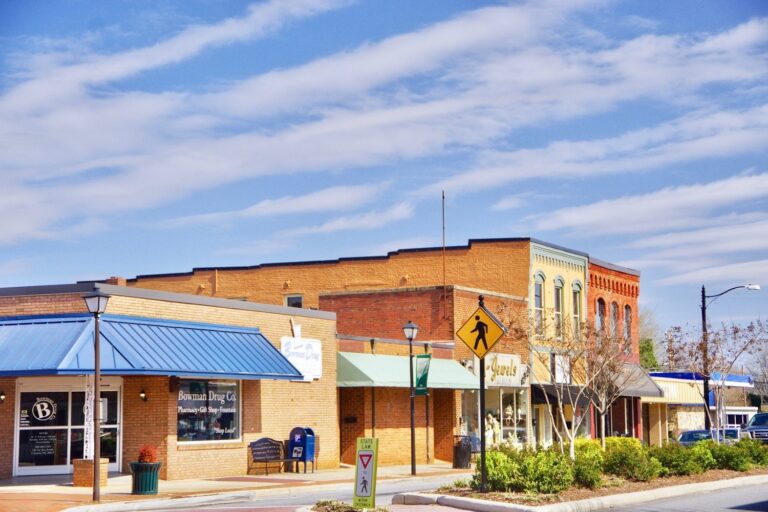
Photo: Brian Stansberry, CC BY-SA 4.0


Photo: Indy beetle, CC0 1.0

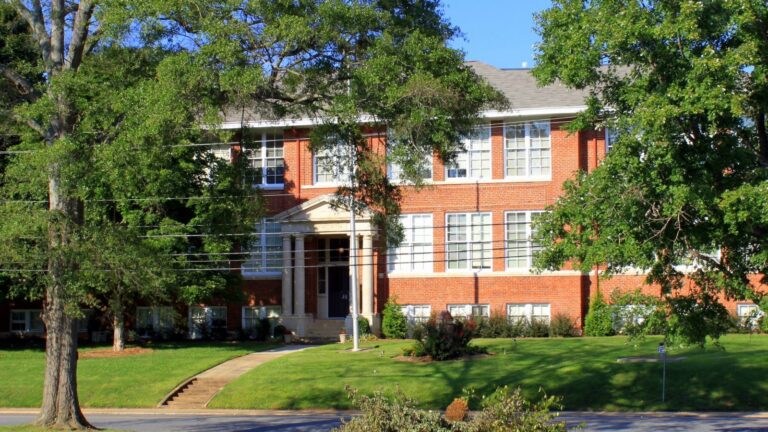
Photo: RoxylovesHistory, CC BY-SA 3.0
,_Cramerton,_NC_-_9-20-2014.jpg)
bluegill in a few answers
What size rule covers bluegill?
no creel limit (All public fishing waters except listed waters), size no size limit.
What does the record bluegill weigh?
4 lbs, 5 oz from Henderson County (1967).
Which habitats hold bluegill?
14 waters on this site, including Jordan Lake, Falls Lake and Tar River Reservoir.
Will NCWRC stock bluegill this year?
7,400 on the 2026 warmwater list.
How large can bluegill grow?
Scientific name Lepomis macrochirus.
Are bluegill open to harvest year-round?
No closed season
What license do bluegill anglers carry?
Inland waters take an NCWRC inland fishing license from age 16 ($32 resident, $56 nonresident).
Do charters target bluegill?
No listing names it.
Chase bluegill across North Carolina
Open a water above for ramps and limits.