Spot across North Carolina
Creel rules, records and waters for spot.
- 50 a daydaily creel
- 1 lb. 13 oz.record
Photo of the species, not of a North Carolina water: NOAA's Fisheries Collection; Collection of Brandi Noble, Public domain
.jpg)
About North Carolina spot
Spot is listed among the state’s saltwater species. Anglers may keep 50 a day under NCWRC (inland and joint fishing waters (ncwrc, hook and line)); size no size limit.
Manns Harbor gave up the state record of 1 lb. 13 oz. in 1979. NCDMF citation: Award for harvest of fish, 1 pound or larger.
NCDMF notes on spot
“The body is short and grayishsilver with golden reflections along the upper sides. Between 12 and 15 wavy dark lines run from the dorsal fins to below the lateral line. A prominent black spot, about the same size as the eye, is located behind the gill cover. In the fall, spot have bright yellow stomachs, a trait likely associated with spawning.”
- SizeSpot grow to 14 inches, but typical catches range from 7 inches to 10 inches.
- HabitatSpot inhabit estuarine and coastal waters from the Gulf of Maine to Mexico, but they are most abundant from Delaware Bay to Georgia in the summer and fall. Spot tend to occur in sandy or muddy shallow waters during the summer then move offshore to the continental shelf edge in the winter.
- DietSpot feed on crustaceans, organic debris, worms and small fish.
- Fishing tipsSpot concentrate in large schools nearshore. Anglers catch spot from piers, bridges, jetties, the surf and small boats, usually with two-hook bottom rigs baited with shrimp, bloodworms or squid. Recreational anglers catch more spot in North Carolina than any other species.
- Also calledyellow belly
- Confused withjuvenile Atlantic croaker, silver perch
Quoted from the NCDMF species profile, checked October 2026.
The spot creel
| Agency | Where | Daily creel | Size | Season |
|---|---|---|---|---|
| NCWRC | Inland and joint fishing waters (NCWRC, hook and line) | 50 a day | no size limit | open all year unless closed by proclamation |
| NCDMF | Coastal and joint fishing waters | 50 a day | no size limit | open all year unless closed by proclamation |
NCWRC 2026-27 digest and NCDMF proclamations. All North Carolina limits.
The spot record
| Category | Weight | Where | Year |
|---|---|---|---|
| all tackle by weight | 1 lb. 13 oz. | Manns Harbor | 1979 |
NCWRC and NCDMF state records. Angler names left out.
Fish that pair with spot
- Red drumsalt
- Spotted seatroutsalt
- Southern floundersalt
- Summer floundersalt
- Gulf floundersalt
- Weakfishsalt
- Black drumsalt
- Sheepsheadsalt
- Atlantic croakersalt
- Kingfishessalt
- Bluefishsalt
- Cobiasalt
- King mackerelsalt
- Spanish mackerelsalt
Nearby water from Spot, in photos
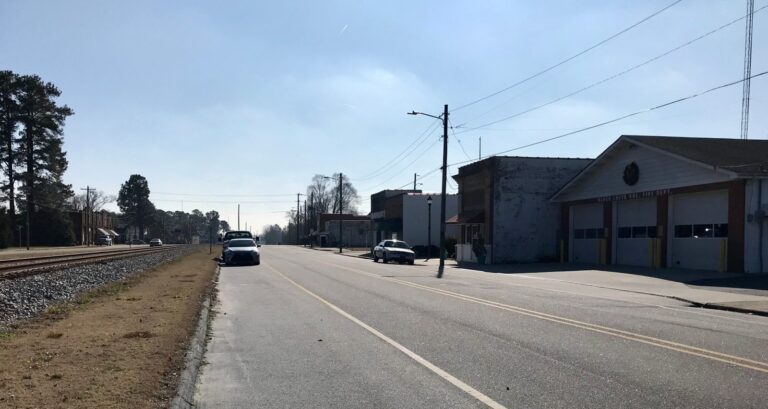
Photo: Indy beetle, CC0 1.0

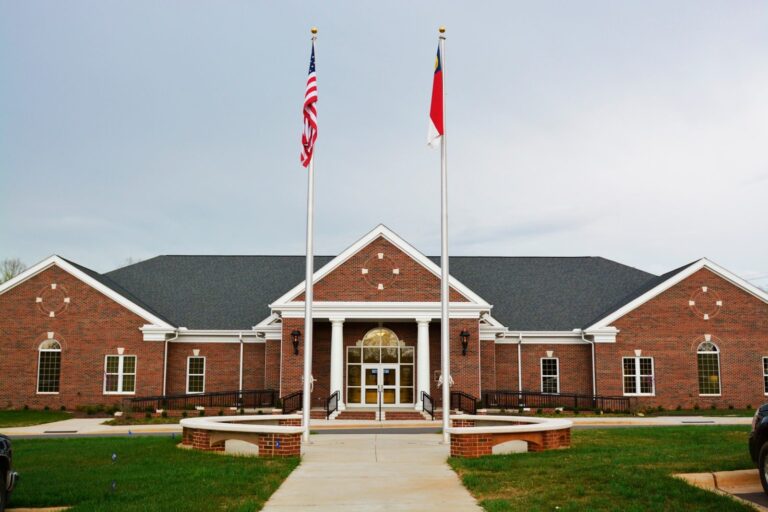
Photo: Tomchartjr85, CC BY-SA 4.0

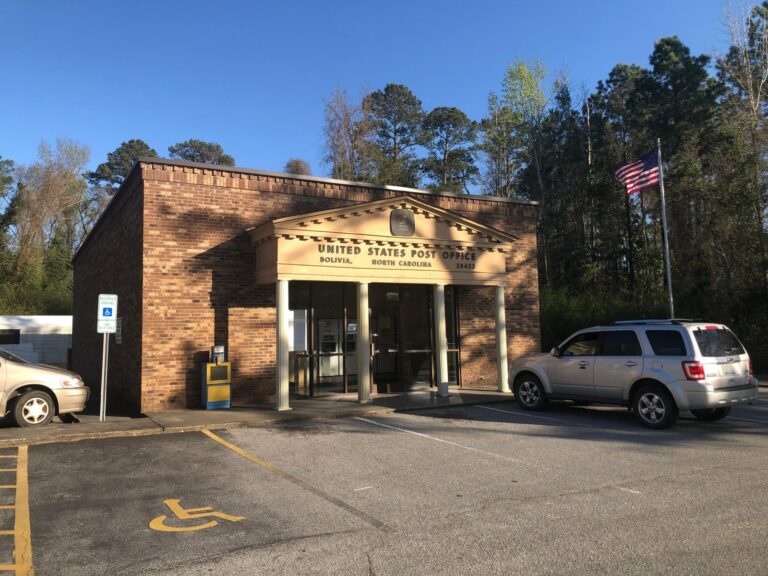
Photo: Piperpet, CC BY-SA 4.0

Photo: Brian Stansberry, CC BY 4.0

Before you target spot
What is the creel limit on spot?
50 a day (Inland and joint fishing waters (NCWRC, hook and line)), size no size limit.
What is the biggest spot caught in North Carolina?
1 lb. 13 oz. from Manns Harbor (1979).
Which lakes hold spot?
Spot inhabit estuarine and coastal waters from the Gulf of Maine to Mexico, but they are most abundant from Delaware Bay to Georgia in the summer and fall. Spot tend to occur in sandy or muddy shallow waters during the summer then move offs
Are spot on the stocking list?
It is not on the 2026 warmwater list.
What is spot confused with?
Spot grow to 14 inches, but typical catches range from 7 inches to 10 inches.
When does the spot season run?
open all year unless closed by proclamation
Which North Carolina license do I need for spot?
Coastal waters take a Coastal Recreational Fishing License from age 16 ($20 resident, $40 nonresident).
Can I hire a trip that targets spot?
Every operator appears on the guides page.