Cobia across North Carolina
Limits, records and where to find cobia.
- 1 a daydaily creel
- 116 lb. 8 oz.record
Photo of the species, not of a North Carolina water: Stefanie Tellex. (talk) (Uploads), Public domain

cobia across North Carolina
Cobia (Rachycentron canadum) is a saltwater species in North Carolina. Under NCWRC rules (inland and joint fishing waters (ncwrc, hook and line)), the creel is 1 a day and the size rule is 36 in minimum.
A 116 lb. 8 oz. fish from Oregon Inlet in 2006 holds the state record. NCDMF citation: Award for harvest of fish, 40 pounds or greater. Award for live release of fish, 36 inches or longer.
NCDMF, per cobia
“Cobias have elongated, torpedo-shaped bodies with long depressed heads. The eyes are small and the snout is broad. The lower jaw projects past the upper jaw. Cobias are dark brown in color and have a darker, lateral stripe from the eye to the tail. Young cobias have alternating black and white horizontal stripes with splotches of bronze, orange and green.”
- SizeCobia grow to 6 feet and more than 100 pounds.
- HabitatCobias are a pelagic species normally solitary in nature except when spawning. They are found off the United States from Virginia south and throughout the Gulf of Mexico in both inshore and nearshore waters of the inlets and bays. Cobias prefer water temperatures between 68 and 86 degrees Fahrenheit
- DietCobias are opportunistic predators that eat some fishes, such as mackerels and eels, but the bulk of their diet is crustaceans, like shrimp and crabs.
- Fishing tipsAnglers catch cobias by sight casting with bucktails as they migrate along the East Coast. Anglers also catch cobias while trolling for king mackerel and by bottom fishing with live bait near reefs and wrecks. Often anglers will see cobias hanging around an inlet buoy or other navigation marker. Cob
- Also calledling, lemonfish
- Confused withsharks, remoras, and sharksuckers
Quoted from the NCDMF species profile, checked October 2026.
North Carolina harvest rules for cobia
| Agency | Where | Daily creel | Size | Season |
|---|---|---|---|---|
| NCWRC | Inland and joint fishing waters (NCWRC, hook and line) | 1 a day | 36 in minimum | May 1 – Dec. 31 |
| NCDMF | Coastal and joint fishing waters | 1 a day | 36 in minimum | May 1 – Dec. 31, 2026 |
NCWRC 2026-27 digest and NCDMF proclamations. All North Carolina limits.
cobia in the state record book
| Category | Weight | Where | Year |
|---|---|---|---|
| all tackle by weight | 116 lb. 8 oz. | Oregon Inlet | 2006 |
NCWRC and NCDMF state records. Angler names left out.
More cobia neighbors
- Red drumsalt
- Spotted seatroutsalt
- Southern floundersalt
- Summer floundersalt
- Gulf floundersalt
- Weakfishsalt
- Black drumsalt
- Sheepsheadsalt
- Atlantic croakersalt
- Spotsalt
- Kingfishessalt
- Bluefishsalt
- King mackerelsalt
- Spanish mackerelsalt
A look around Cobia
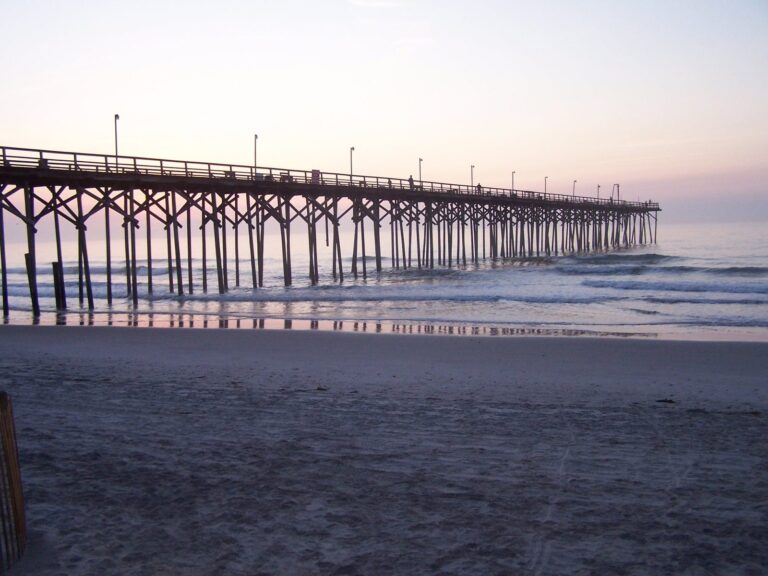
Photo: Annebethmi, CC BY-SA 3.0

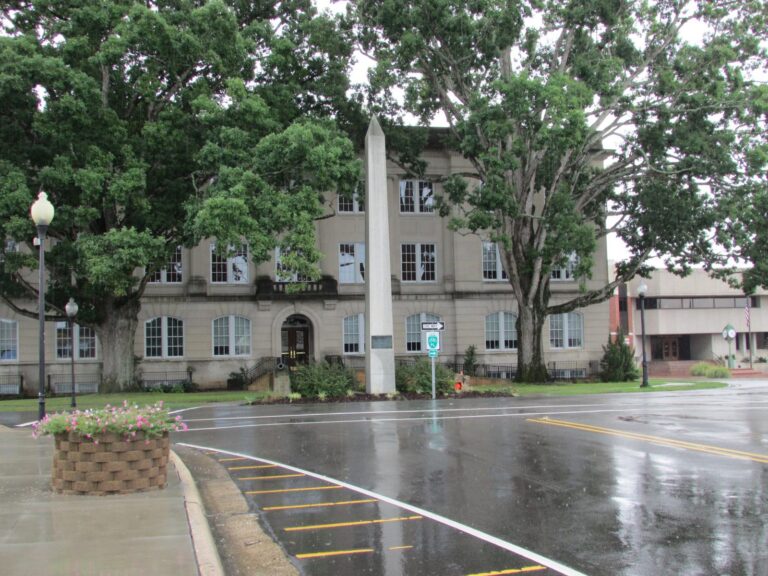
Photo: DrStew82, CC BY-SA 4.0

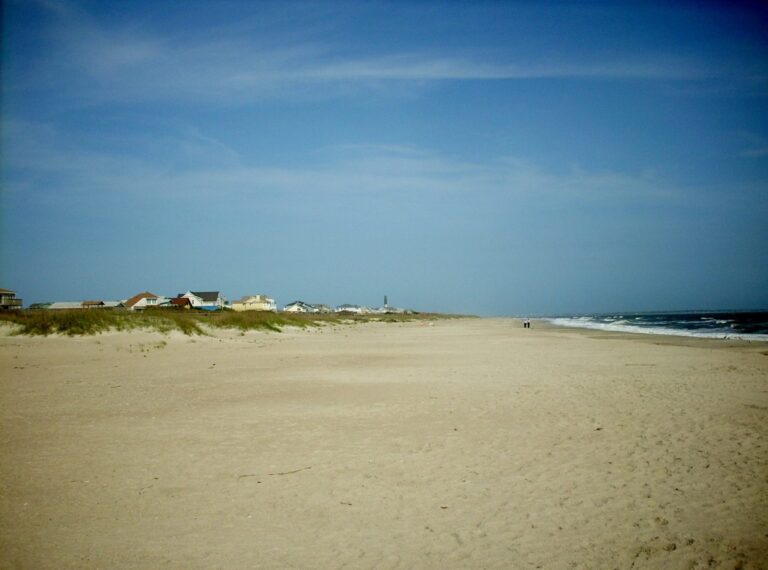
Photo: Gerry Dincher, CC BY-SA 2.0


Photo: NCDOT, CC BY 2.0

Quick facts on cobia
What daily limit applies to cobia?
1 a day (Inland and joint fishing waters (NCWRC, hook and line)), size 36 in minimum.
Does North Carolina keep a record for cobia?
116 lb. 8 oz. from Oregon Inlet (2006).
Where do North Carolina anglers find cobia?
Cobias are a pelagic species normally solitary in nature except when spawning. They are found off the United States from Virginia south and throughout the Gulf of Mexico in both inshore and nearshore waters of the inlets and bays. Cobias pr
Are cobia stocked in North Carolina?
The 2026 list does not include it.
How do I recognize cobia?
Cobia grow to 6 feet and more than 100 pounds.
In which months may I keep cobia?
May 1 – Dec. 31
Do I need a CRFL for cobia?
Coastal waters take a Coastal Recreational Fishing License from age 16 ($20 resident, $40 nonresident).
Which captains run trips for cobia?
No operator names it; try the guides page.
Hunt for cobia
Every water named here has a page with ramps and limits.