Common carp across North Carolina
Finding and keeping common carp, by North Carolina rules.
- no creel limitdaily creel
- 48 lbsrecord
Photo of the species, not of a North Carolina water: Dezidor, CC BY-SA 3.0

Where common carp fit in North Carolina
Common carp (Cyprinus carpio) lives in North Carolina’s freshwater habitat. NCWRC sets a creel of no creel limit with no size limit where inland and joint fishing waters (ncwrc, hook and line).
The state record is 48 lbs, taken at Mecklenburg County Pond in 1986.
How NCWRC describes common carp
“Carp are native to Eurasia but were introduced into North America during the 1800s. They can now be found in lakes and rivers throughout the United States. Carp are routinely found along the shoreline of lakes and rivers, where they feed on aquatic plants, algae, invertebrates and, on occasion, small fish. The Common Carp usually has an olive- to-green back, fading to a yellow-brown side, with a yellow belly. The fins are yellow to yellow-red. Two pairs of barbels are present on the upper jaw, which help to distinguish carp from suckers. The mouth is small and is supported by tough cartilage.”
“The carp has small teeth on the back of the last gill arch near the throat. These teeth, similar to human molars, are used for crushing shells, seeds and plants. Their ability to taste and smell is very acute. They usually suck food off the bottom, along with silt and debris. Food items are strained out and chewed up, while non-food items are spit out. These feeding habits often cause muddy water and, in extreme cases, can impair aquatic plant growth and cover fish eggs with silt. Carp are very strong swimmers, and large individuals are common. As a result, they are popular among some anglers. Carp are a popular food fish in many countries, although they are bony.”
- AbundanceCommon throughout the state Carp are native to Eurasia but were introduced into North America during the 1800s. They can now be found in lakes and rivers throughout the United States. Carp are routinely found along the shoreline of lakes and rivers, where they feed on aquatic plants, algae, inverteb
Quoted from the NCWRC species profile, checked October 2026.
Creel limits for common carp
| Agency | Where | Daily creel | Size | Season |
|---|---|---|---|---|
| NCWRC | Inland and joint fishing waters (NCWRC, hook and line) | no creel limit | no size limit | open all year unless closed by proclamation |
NCWRC 2026-27 digest and NCDMF proclamations. All North Carolina limits.
North Carolina record common carp
| Category | Weight | Where | Year |
|---|---|---|---|
| hook and line by weight | 48 lbs | Mecklenburg County Pond | 1986 |
NCWRC and NCDMF state records. Angler names left out.
Species that pair with common carp
- Largemouth bassfresh
- Smallmouth bassfresh
- Spotted bassfresh
- Alabama bassfresh
- Bartram's bassfresh
- Black crappiefresh
- White crappiefresh
- Bluegillfresh
- Redear sunfishfresh
- Redbreast sunfishfresh
- Pumpkinseedfresh
- Green sunfishfresh
- Warmouthfresh
- Flierfresh
Places to fish near Common carp, pictured

Photo: DrStew82, CC BY-SA 4.0

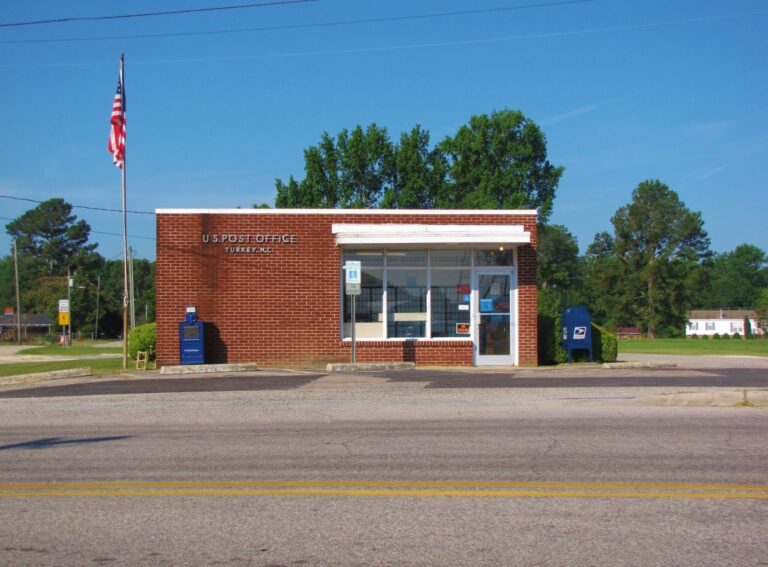
Photo: Gerry Dincher, CC BY-SA 2.0

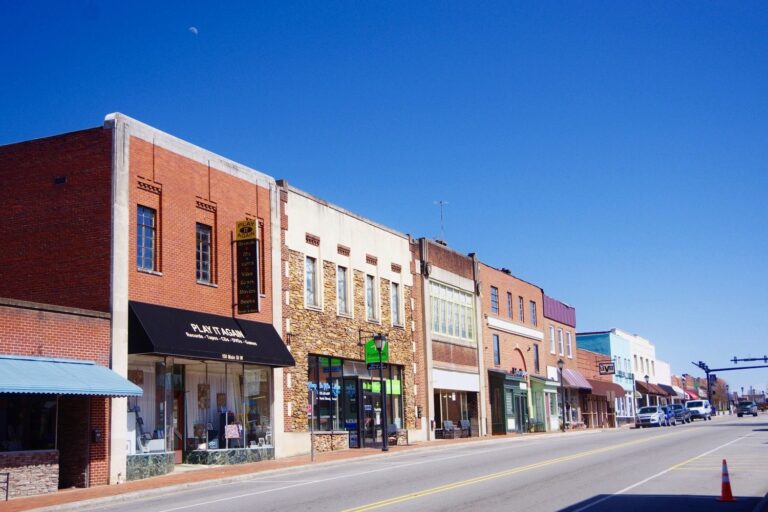
Photo: Brian Stansberry, CC BY 4.0

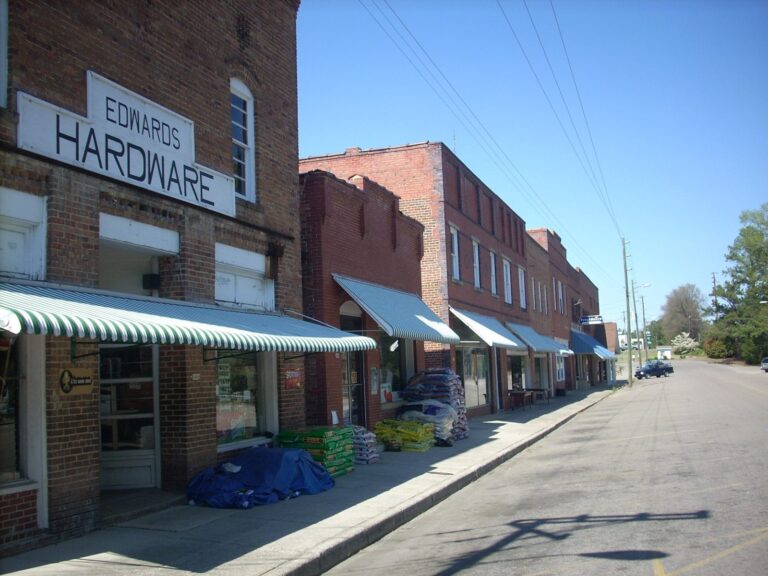
Photo: Dincher, CC BY-SA 3.0

Worth knowing about common carp
Which rules govern keeping common carp?
no creel limit (Inland and joint fishing waters (NCWRC, hook and line)), size no size limit.
Which water gave up the record common carp?
48 lbs from Mecklenburg County Pond (1986).
Which waters produce common carp?
The profile above covers its range.
Does NCWRC stock common carp?
Not on this year’s list.
How do I tell common carp apart?
Scientific name Cyprinus carpio.
Can common carp be kept this month?
open all year unless closed by proclamation
What license do common carp anglers buy?
Inland waters take an NCWRC inland fishing license from age 16 ($32 resident, $56 nonresident).
Which captains list common carp?
None list it by name; see the guides page.
Seek out common carp
Pick a water from the lists on this page.